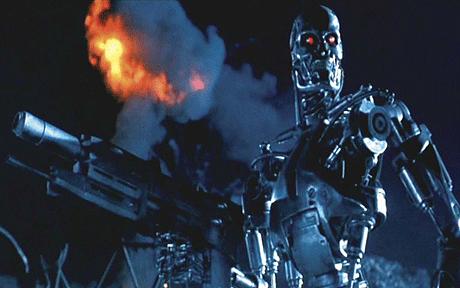
New science and technology usually brings with it improvement in whatever field the technology is applicable. Jeremy Rifkin argues this is not true. Science tells us that the introduction of machines in the work place makes tasks easier and more efficient, better for management, and better for workers. Rifkin disagrees and points out that "In the industrial era, workers became so enmeshed in the rhythms of mechanical machinery that hey often described their own fatigue in machine terms-complaining of being "worn out" or experiencing a "breakdown." Although machines had been introduced, the workers livelihood had not improved proving that machines are not always the best route to go by. These conditions lead to higher stress among workers which leads to falling productivity. With the well-being of millions of workers at stake, is it really necessary to computerize and digitize every aspect of the American work place? Perhaps adding the human touch might help companies get through this struggling economy. Rifkin is correct is questioning the over usage of machines. Machines are not always a good thing...just ask John Connor...

No comments:
Post a Comment